Skip to content

Crown & Bridges

Bring back your smile with confidence!

Restore your smile with crowns and bridges! Perfect for replacing damaged or missing teeth, giving you a strong, natural-looking smile in no time!”

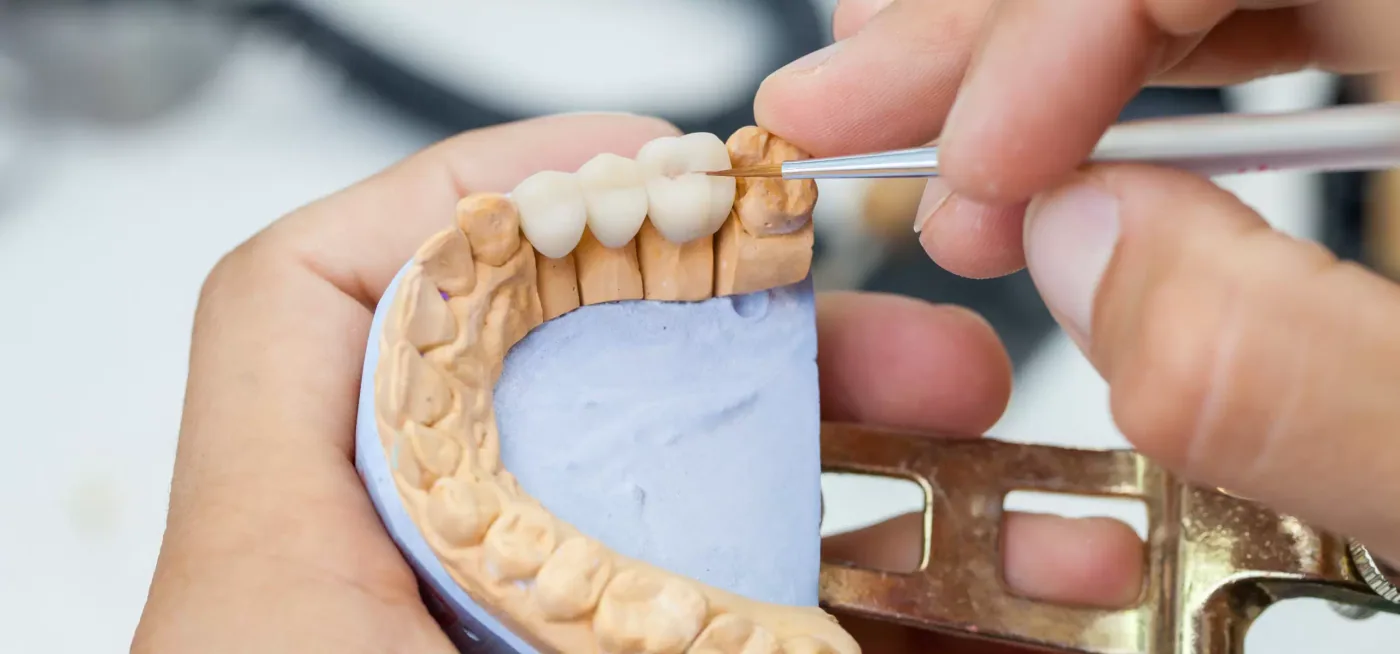
Technician fitting a crown and bridge on a dental model, custom made to match the shade and shape of your own teeth
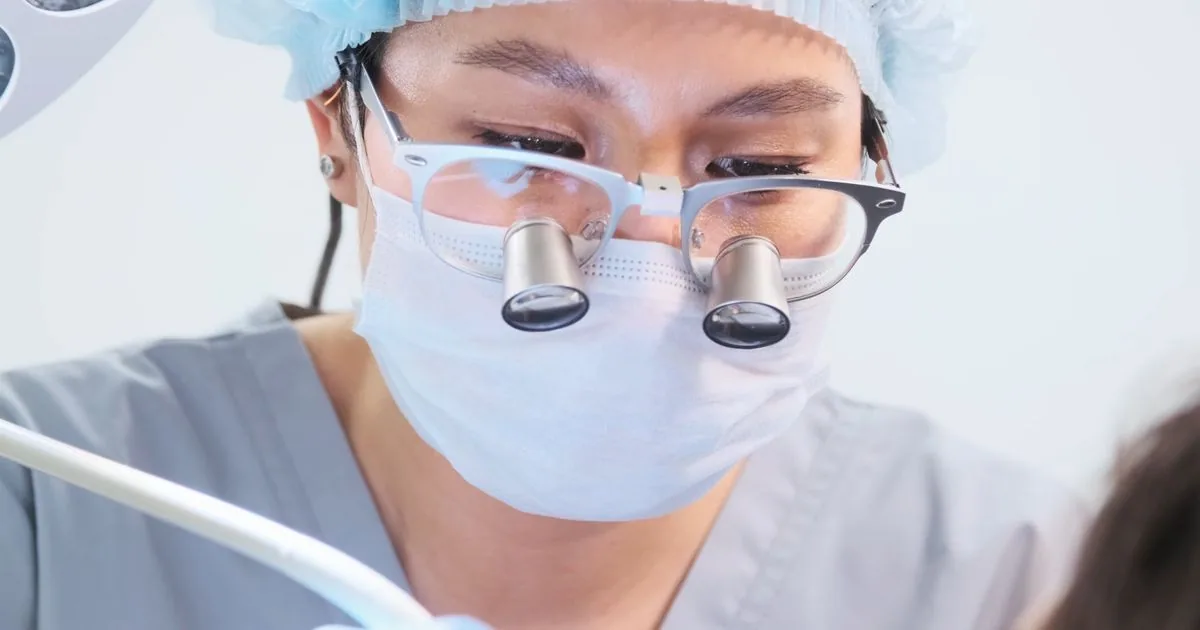
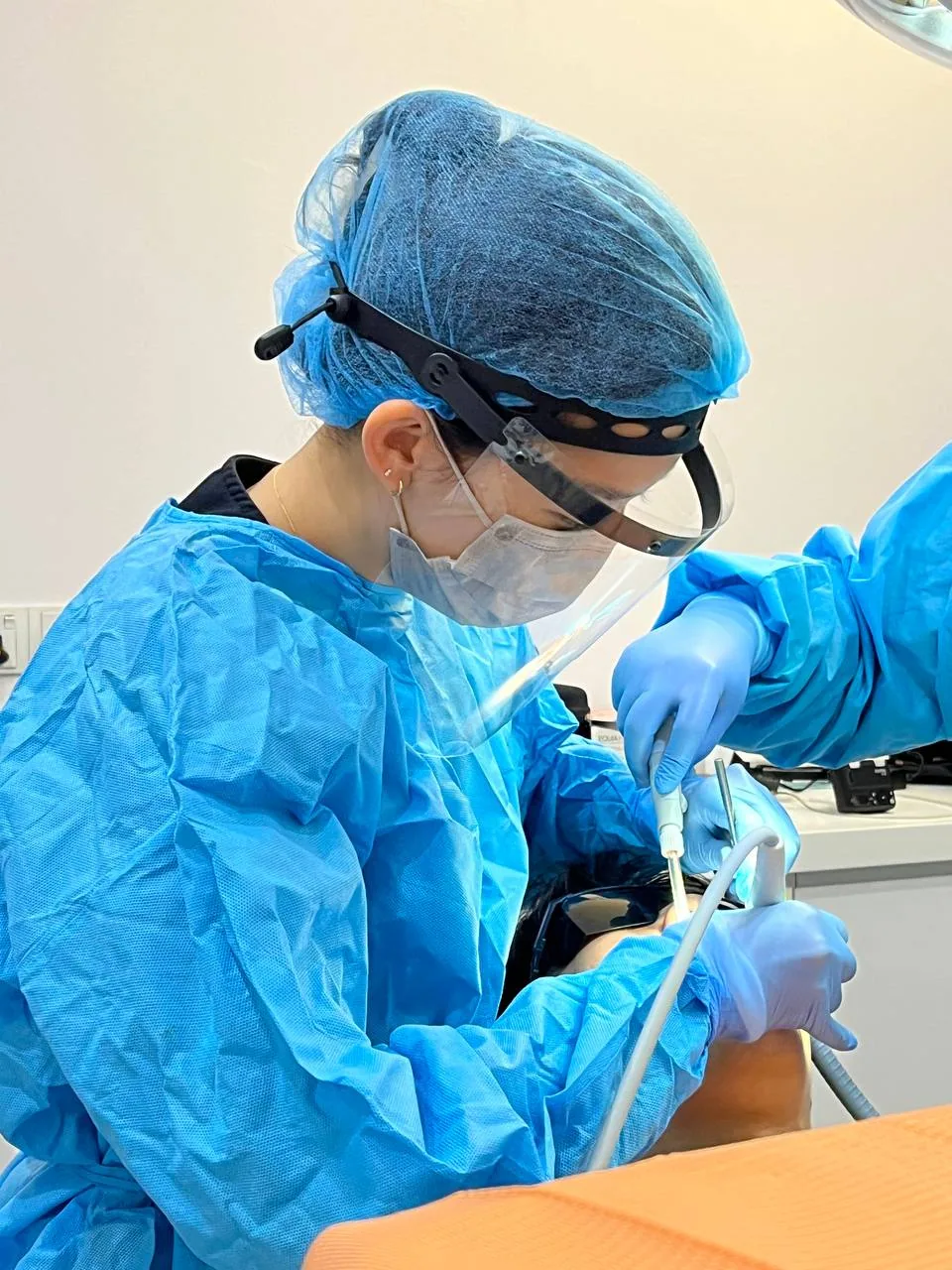
Dentist preparing a tooth for a crown restoration at our Bukit Jalil clinic, protecting a cracked tooth with a custom-made cap

Crowns & bridges bring back the beauty of your smile with lasting results!

Missing teeth or damaged smile? We've got you covered! At our clinic, we offer high-quality crowns and bridges that restore both function and beauty. Get the perfect fit and a natural-looking smile, so you can chew, speak, and smile confidently again!

Differences between crown and bridges

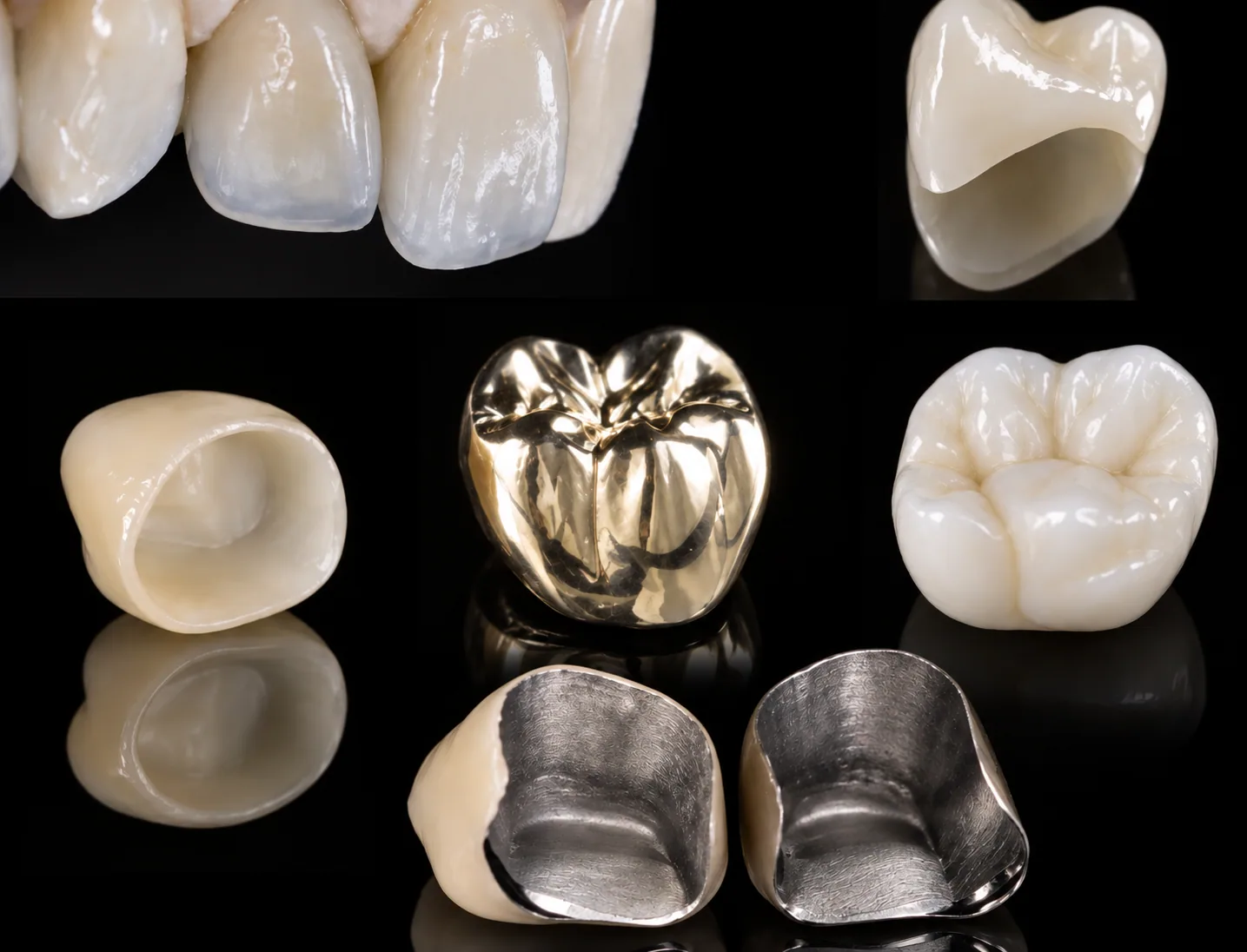
Types of dental crowns shown side by side — porcelain, zirconia, gold and metal caps used to restore a damaged or weakened tooth

Crowns

Crown is a tooth-shaped cap that is placed over a damaged, decayed, or weakened tooth to restore its shape, size, strength, and appearance. It fully encases the visible portion of the tooth above the gum line and is commonly used after root canal treatment, to cover a large filling, or to protect a cracked or worn-down tooth.
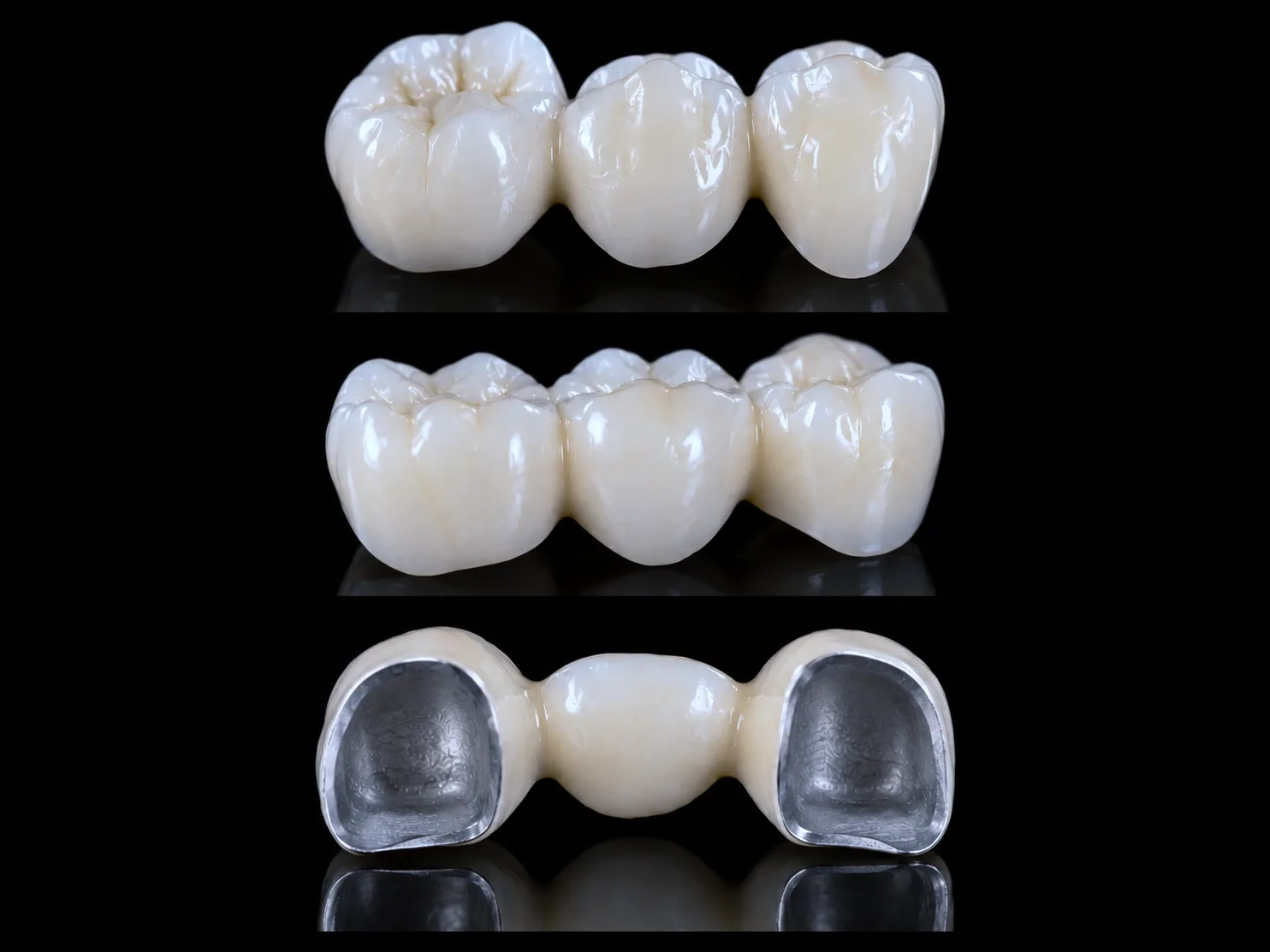
Types of dental bridges — zirconia, porcelain and metal-ceramic three-unit bridges that replace a missing tooth and restore your bite

Bridges

Dental bridge is a fixed dental restoration used to replace one or more missing teeth by anchoring an artificial tooth (or teeth) to the adjacent natural teeth or dental implants. The "bridge" literally bridges the gap created by the missing tooth, helping restore function, bite, and appearance.

Types of Crown/Bridges material

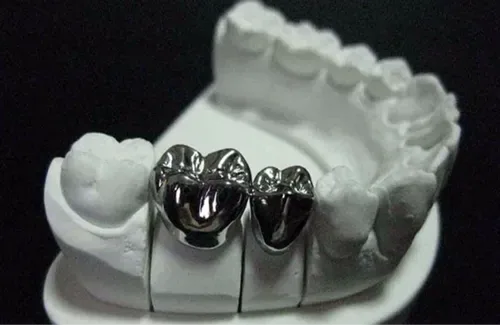
Full metal dental crowns fitted on a study model, the strongest option for back teeth where chewing pressure is highest

Metal

A metal crown is a type of dental crown made entirely from metal alloys such as gold, nickel, chromium, or palladium. It is known for its exceptional strength and durability, making it ideal for molars or back teeth where chewing pressure is highest. While not as aesthetic as tooth-colored options, metal crowns rarely chip or break and require less removal of the natural tooth.

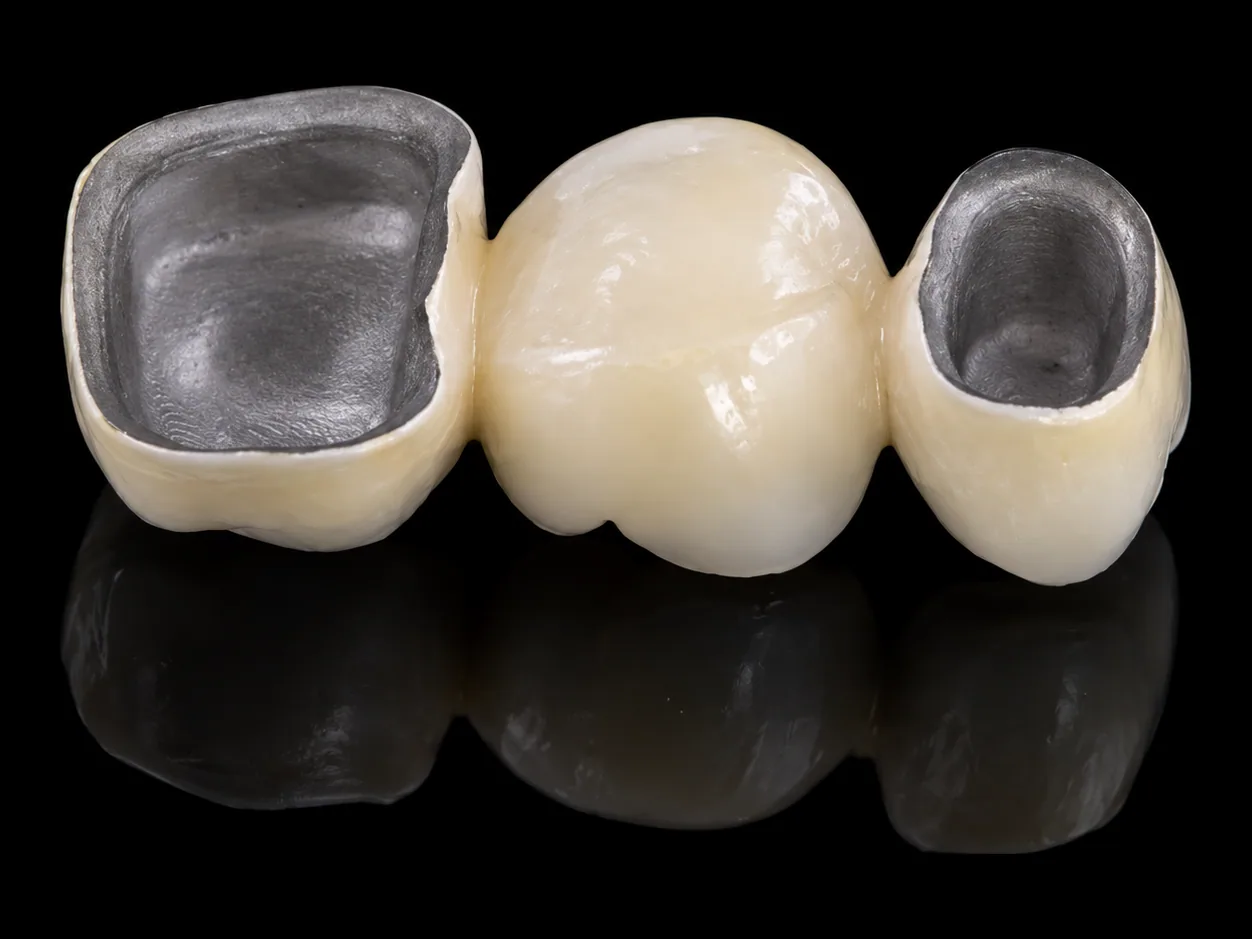
Underside of a three-unit porcelain-fused-to-metal bridge, showing the metal substructure inside the crowns beneath the tooth-coloured porcelain

Porcelain Fused Metal (PFM)

A porcelain-fused-to-metal (PFM) crown is a type of dental crown that combines a strong metal base with a tooth-colored porcelain coating. This design provides both durability and a natural appearance, making it suitable for both front and back teeth. While it looks more natural than a full metal crown, the porcelain can sometimes chip, and a dark metal line may appear near the gum over time.

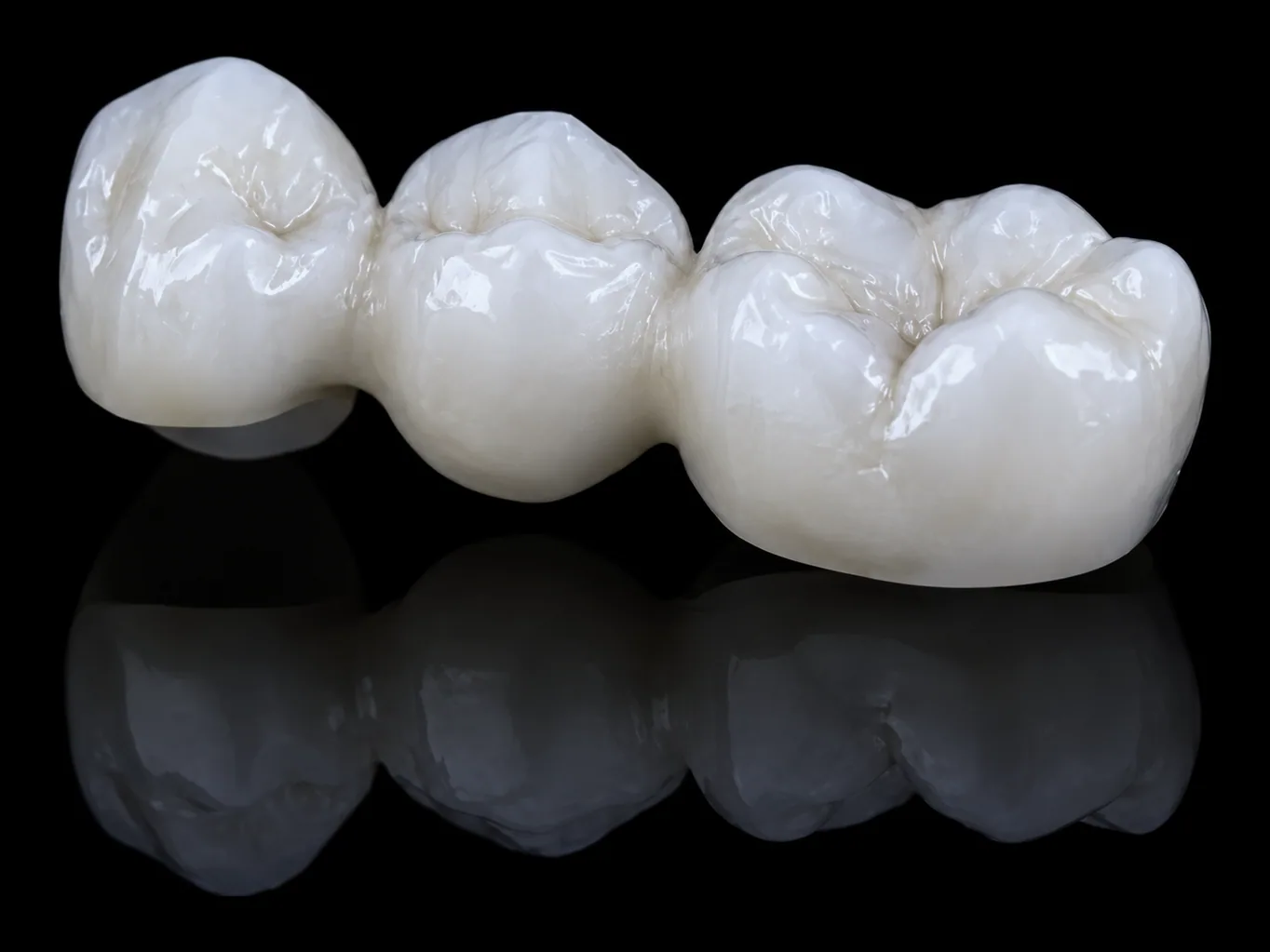
Close-up of a three-unit zirconia bridge for the molars, the crack-resistant, gum-friendly ceramic used for long-lasting back-tooth restoration

Zirconia

A zirconia crown is a dental crown made from zirconium dioxide, a very strong ceramic material known for its durability and natural appearance. It’s highly resistant to cracks and wear, making it ideal for both front and back teeth. Zirconia crowns are also biocompatible, meaning they’re gentle on the gums and less likely to cause allergic reactions.

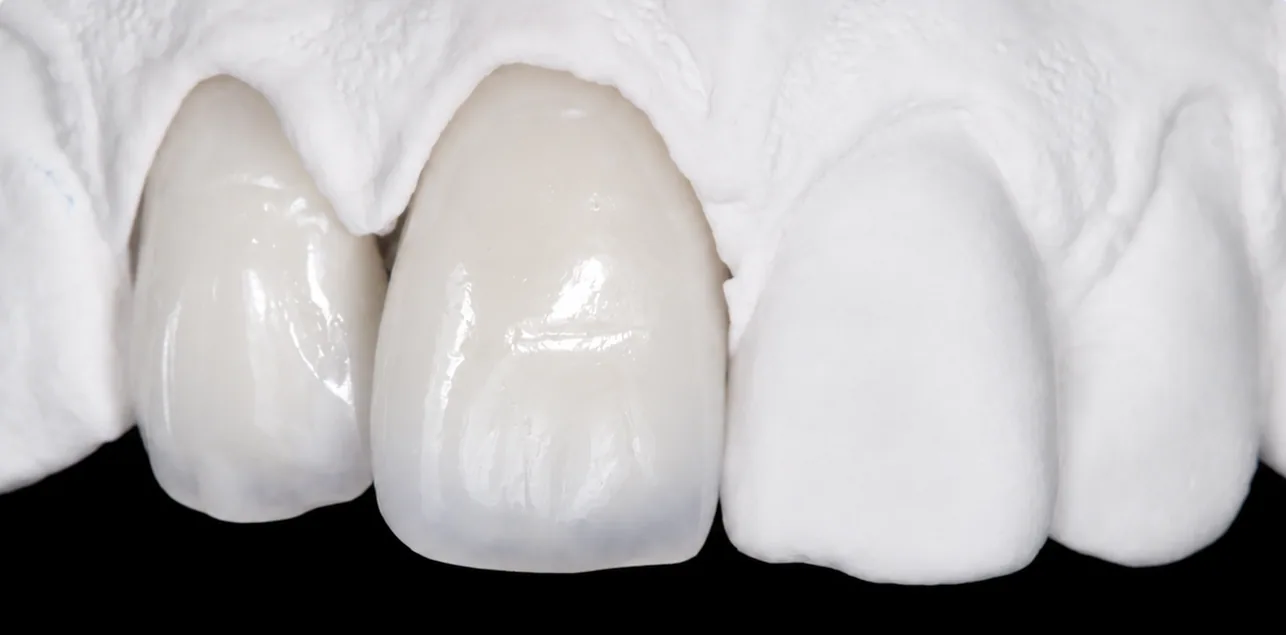
Porcelain-fused-to-zirconia front crowns on a plaster model, layered for a natural shade and translucency at the incisal edge

Porcelain Fused Zirconia (PFZ)

A porcelain-fused-to-zirconia (PFZ) crown combines a strong zirconia core with an outer layer of porcelain for a natural, tooth-like appearance. It offers the strength and biocompatibility of zirconia with improved aesthetics from the porcelain layer, making it suitable for both front and back teeth. However, like other porcelain-based crowns, there's a small risk of chipping over time.

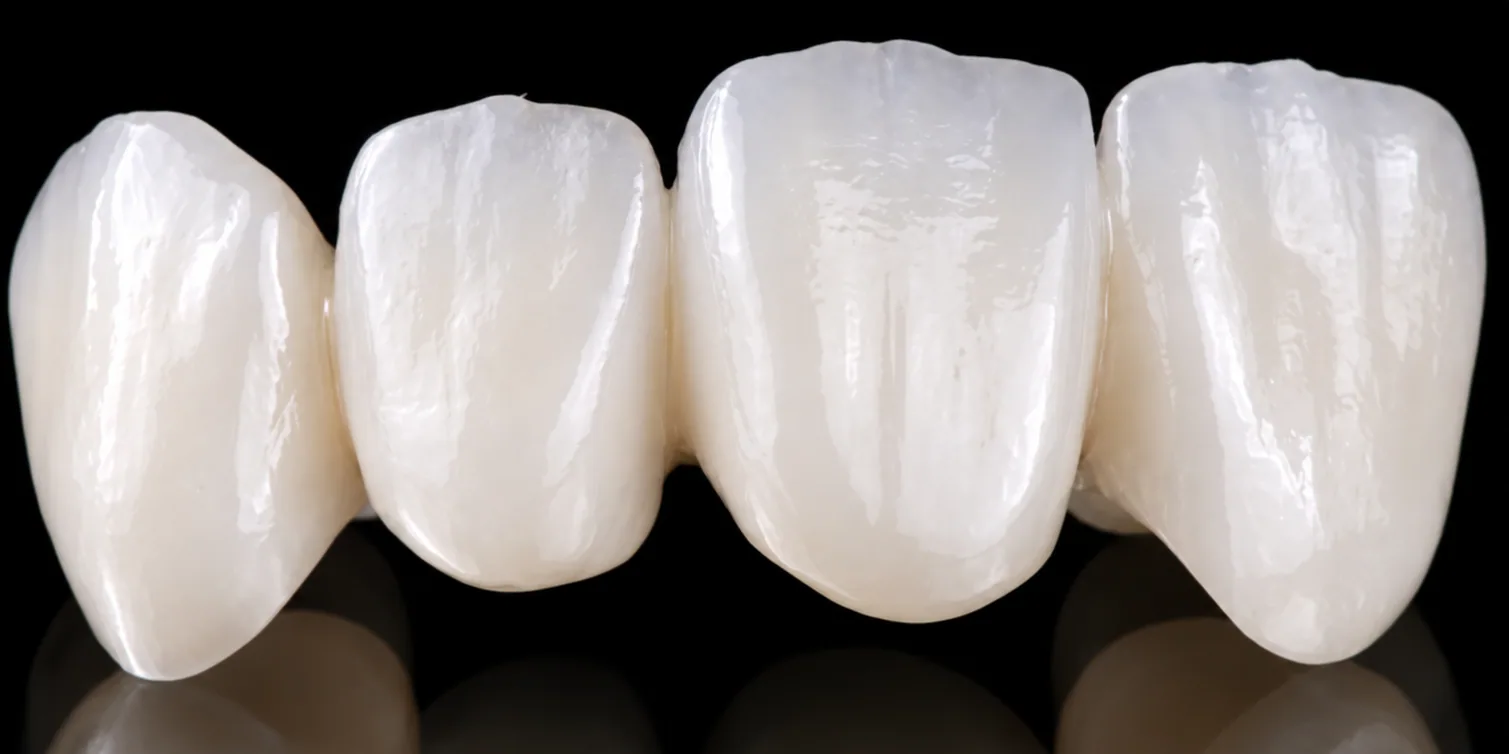
Four IPS e.max all-ceramic front crowns, the metal-free lithium disilicate option with lifelike translucency at the incisal edges

IPS - EMAX

An IPS Emax crown is a type of all-ceramic dental crown made from lithium disilicate, a high-strength glass-ceramic known for its excellent aesthetics and durability. It provides a very natural, translucent look, making it ideal for front teeth, while still being strong enough for some back teeth. IPS E.max is metal-free and biocompatible, reducing the risk of gum irritation or allergic reactions.

Exquisite Crowns & Bridges for the Elite Smile.

Where Precision Meets Perfection

Common questions

Crown & Bridges — your questions answered

The things patients ask us most before starting treatment. If yours is not here, message us and a dentist will answer it.

What is the difference between a crown and a bridge?

A crown is a cap that covers a single damaged tooth — one that is cracked, heavily filled, worn or root-treated — to restore its shape and strength. A bridge replaces a missing tooth: a false tooth is held in place by crowns on the teeth either side of the gap, so the three (or more) units are fixed together as one piece. A crown saves a tooth you still have; a bridge fills the space left by one you have lost.

What decides the cost of a zirconia crown?

The material and the work behind it: zirconia and ceramic crowns are milled to your tooth from a digital scan and cost more than metal-based crowns, and a front tooth that has to match its neighbours exactly involves more laboratory work than a back tooth. Whether the tooth first needs a root canal or a core rebuild also affects the total. You are given the fee for your specific tooth at the consultation, before anything is prepared.

How many visits does a bridge take?

Usually two, about one to two weeks apart. At the first, the supporting teeth are shaped, a scan is taken and a temporary bridge is fitted so you leave with teeth in place. The laboratory makes the permanent bridge from the scan, and at the second visit it is tried in, checked for fit and bite, and cemented. Implant-supported bridges follow a longer timeline because the implants need to integrate first.

Is getting a bridge painful?

No. The supporting teeth are numbed with local anaesthetic before they are shaped, so the preparation is painless — most patients find it no worse than a large filling. The teeth may be a little sensitive to hot and cold for a few days between visits, which the temporary bridge helps with, and fitting the final bridge involves no drilling at all.

See all frequently asked questions across every treatment we offer.