
Endodontics
Stronger teeth start at the root — let us help you save yours
A root canal saves your natural tooth by treating infection from the inside — quickly, safely, and painlessly.
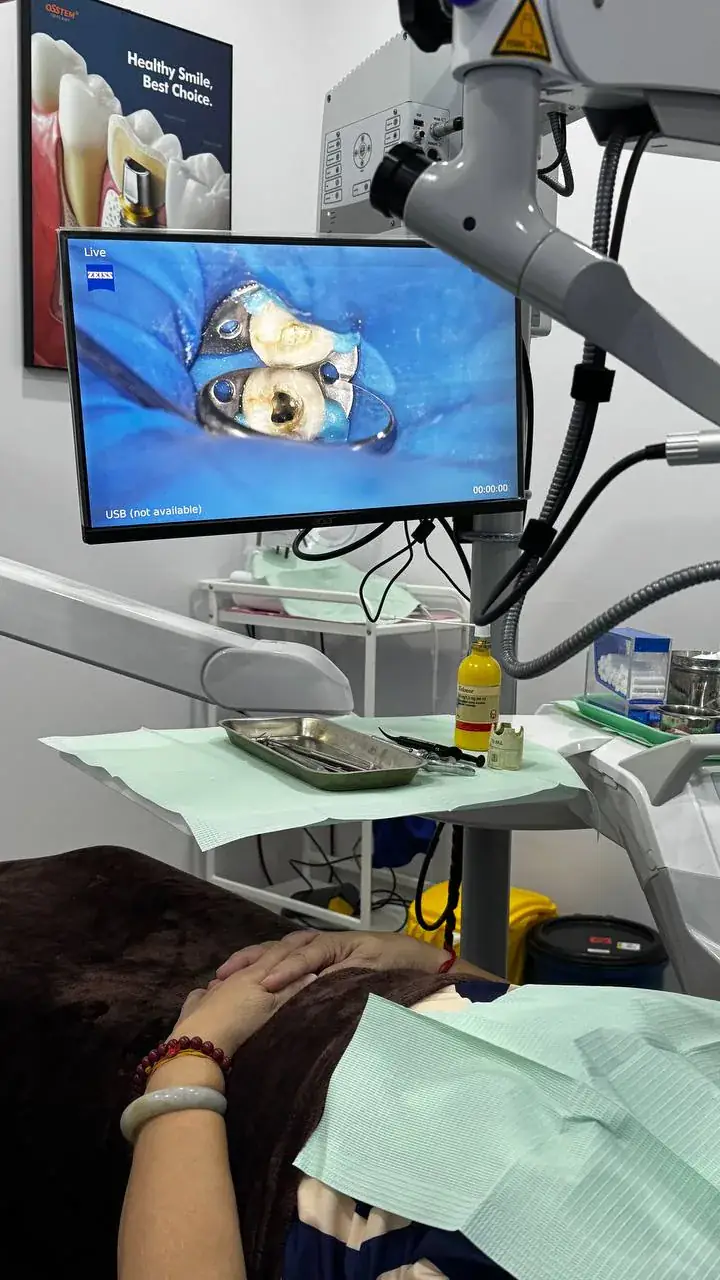
Save your smile, not extract it – root canal to the rescue!
Root canal treatment is a highly effective procedure designed to save a tooth that is badly infected or damaged, often due to deep decay, cracks, or trauma. When the inner pulp of the tooth becomes inflamed or infected, a root canal is needed to remove the source of pain and prevent further complications.
At Lau & Su Partners Dental, Bukit Jalil, your comfort and care are our top priorities. That’s why we offer root canal treatment performed by a trained specialist in endodontics — ensuring expert-level precision, minimal discomfort, and successful long-term outcomes. Using advanced techniques and modern equipment, we gently clean and seal the tooth from within, restoring its function and protecting it from future damage.
With our experienced team and specialist-led care, you can say goodbye to tooth pain and keep your natural smile intact for years to come.
How does root canal treatmets performed?
Imagine waking up with a throbbing toothache that just won’t go away. Hot coffee hurts, cold water stings, and chewing on that side is almost impossible. You’ve tried to ignore it — hoping it would pass — but deep down, you know it’s time to get help.
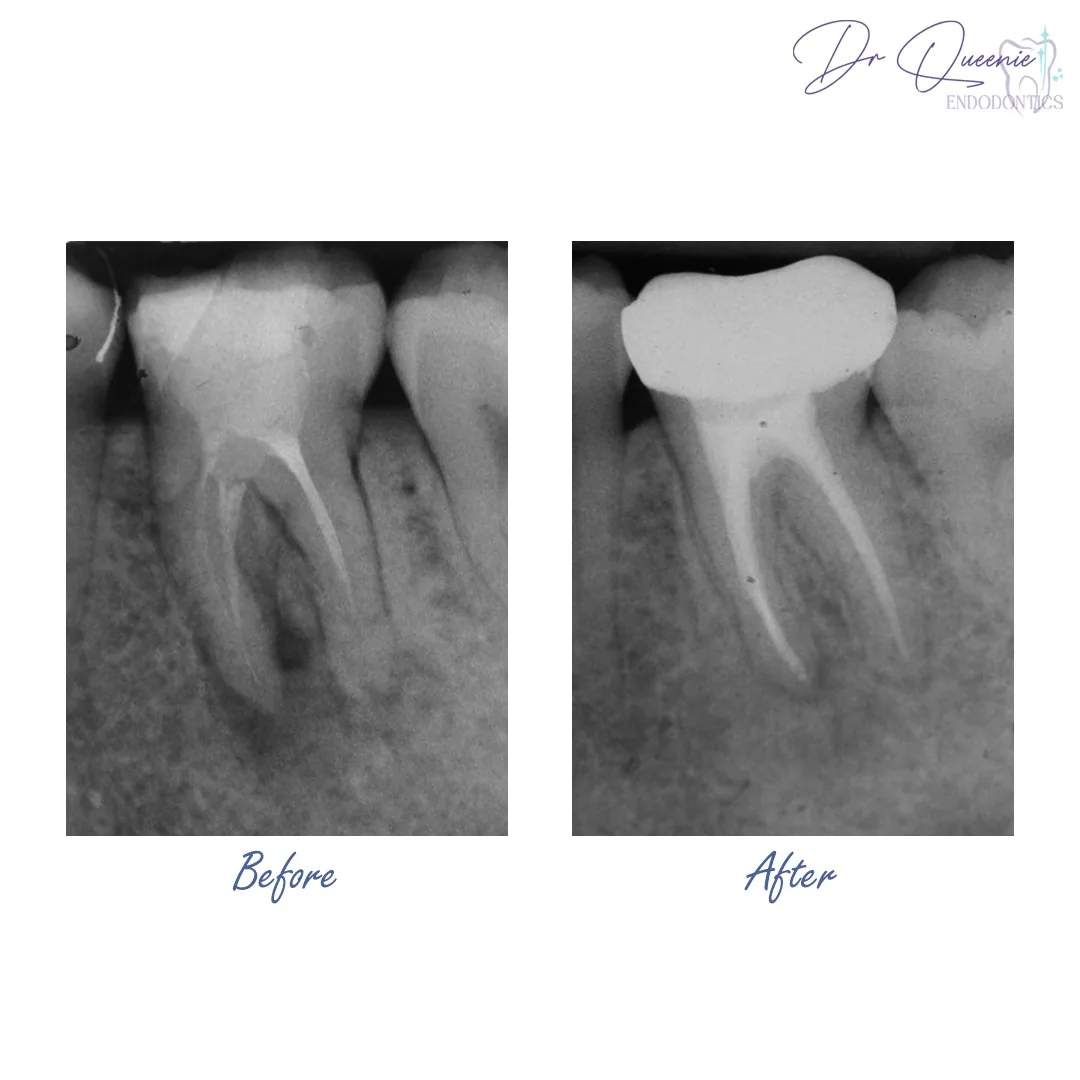
When you visit Lau & Su Partners Dental, Bukit Jalil, our friendly team will welcome you and start with a thorough check-up. An X-ray reveals the problem: the inside of your tooth (called the pulp) is infected. But don’t worry — your tooth can still be saved.
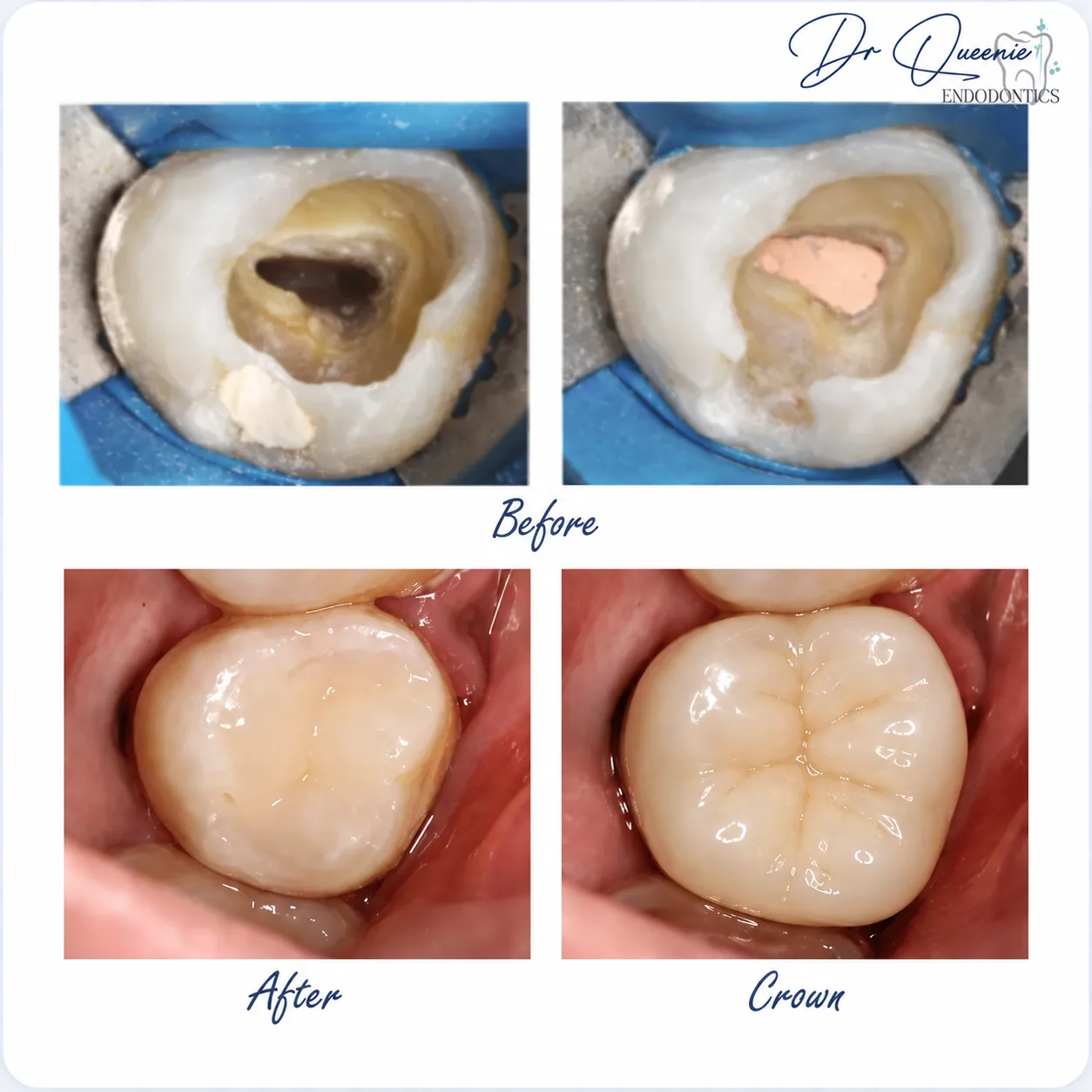
We explain everything clearly. You’ll be given local anaesthesia, so you won’t feel a thing during the procedure. Once the area is numb, the dentist gently makes a small opening on the tooth to reach the infected area. Using precise tools, the damaged tissue is carefully removed, and the inside of the tooth is cleaned and disinfected.
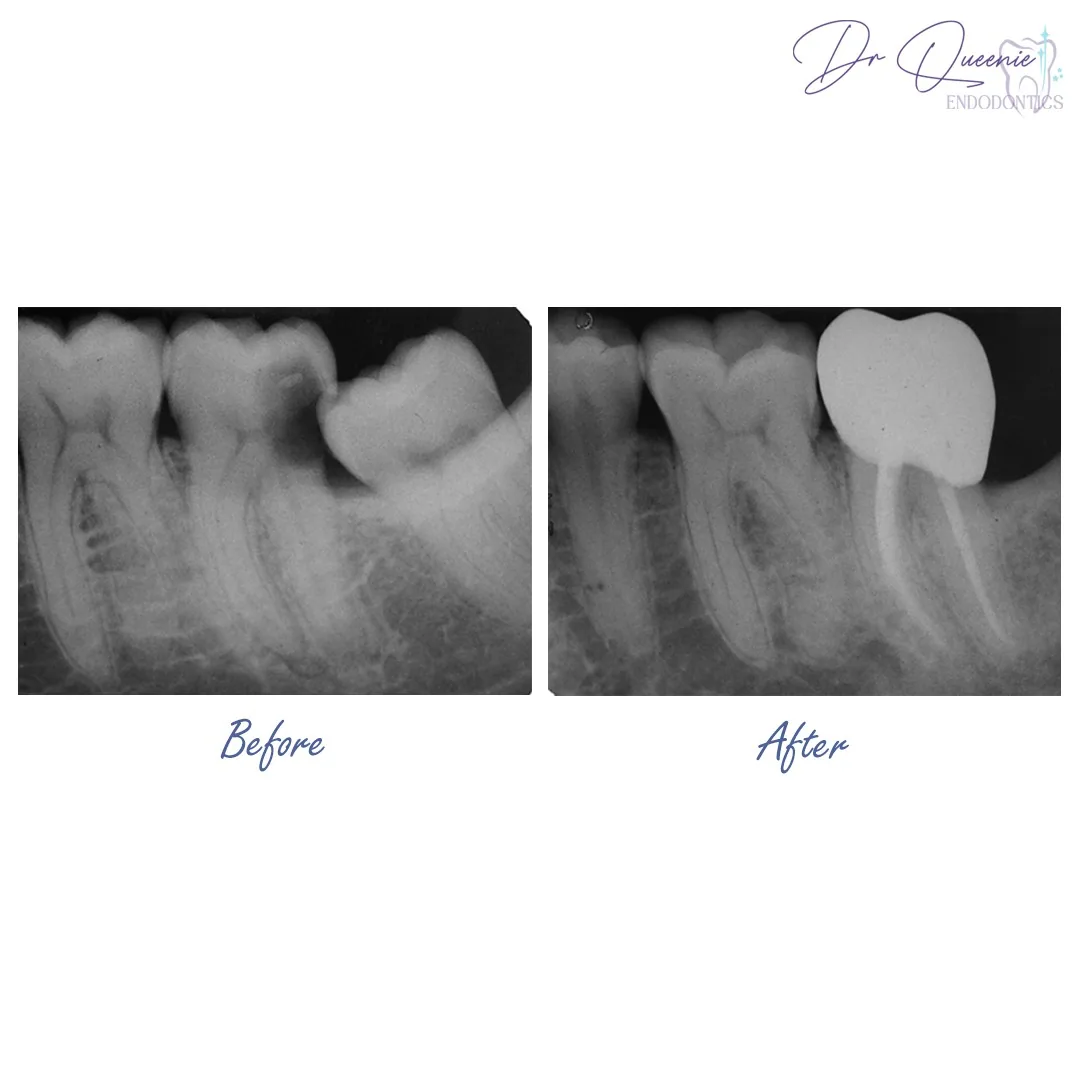
You might be surprised by how quick and painless the process is
Once cleaned, the space inside your tooth is filled and sealed to prevent future infections. In most cases, we’ll place a crown later to protect your tooth and restore its full strength — so it looks and feels just like before.
By the end of your visit, that nagging pain is gone. Your tooth is saved. And most importantly, your smile stays intact — all thanks to timely care and modern root canal treatment.
“Root canal treatments may sound scary, but with the right care, it’s just another step toward a healthier, pain-free smile.”
Common questions
Endodontics — your questions answered
The things patients ask us most before starting treatment. If yours is not here, message us and a dentist will answer it.
Does root canal treatment hurt?
No — modern root canal treatment feels much like having a filling. The tooth is fully numbed before we begin, and our endodontist works under a microscope, which makes the procedure more precise and often quicker. The pain people associate with root canals is the toothache that brings them in; the treatment is what takes that pain away. Some tenderness on biting for a few days afterwards is normal.
Do I need a specialist for a root canal, or can a general dentist do it?
Front teeth and many premolars have a single straight canal and are within a general dentist's scope. Molars are different: they typically have three or four canals, often curved and sometimes hidden, which is where treatments fail if a canal is missed. At Lau & Su Dental, root canal treatment is carried out by Dr. Queenie Tan, our endodontist, who treats every case under a dental operating microscope — so complex molars and re-treatments of previous root canals are handled in-house.
What happens if I put off a root canal?
The infection inside the tooth does not clear on its own. Left alone it spreads into the bone around the root, causing an abscess, swelling and, at times, facial infection that needs urgent treatment. The bone loss also weakens the tooth's support, and a tooth that could have been saved with a root canal may reach the point where extraction is the only option — after which replacing it costs far more than the root canal would have.
Why does a root-treated tooth need a crown afterwards?
Because a tooth without its living pulp becomes drier and more brittle, and a back tooth that has been opened up for treatment has lost a good deal of its structure. Under normal chewing forces it can crack, and a crack running below the gum usually means losing the tooth. A crown covers and holds the tooth together so the root canal you have invested in lasts. Front teeth sometimes manage with a filling; molars almost always need the crown.
See all frequently asked questions across every treatment we offer.