Orthodontics
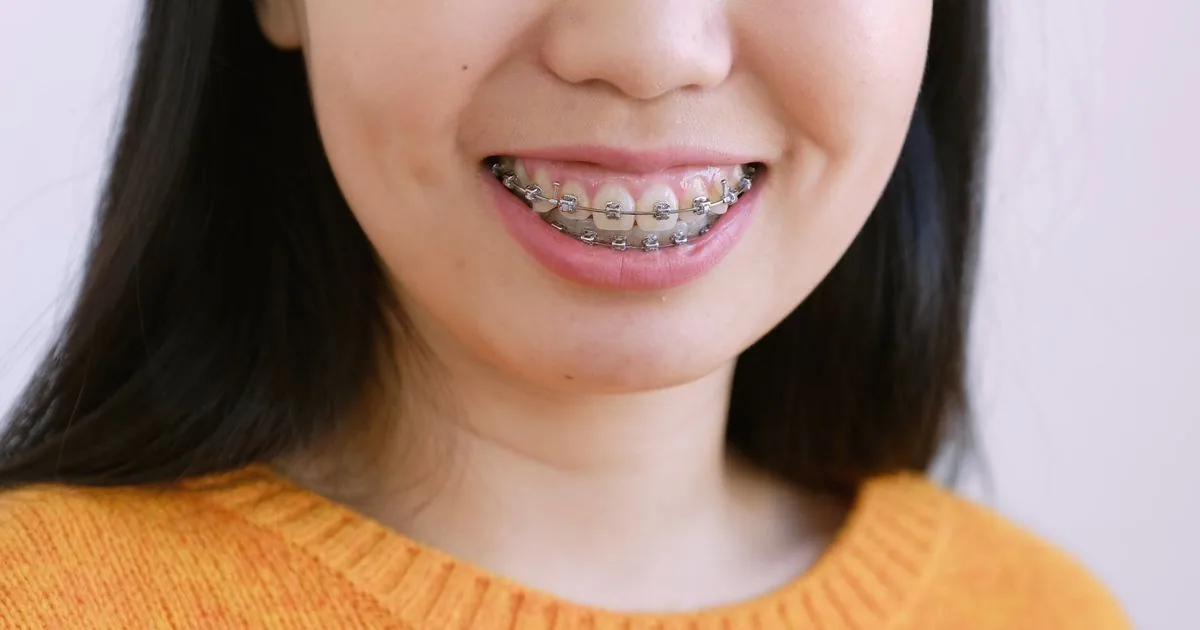
A perfect smile starts with good alignment :)
Orthodontics helps straighten teeth for both function and aesthetics.
Damon Self-Ligating
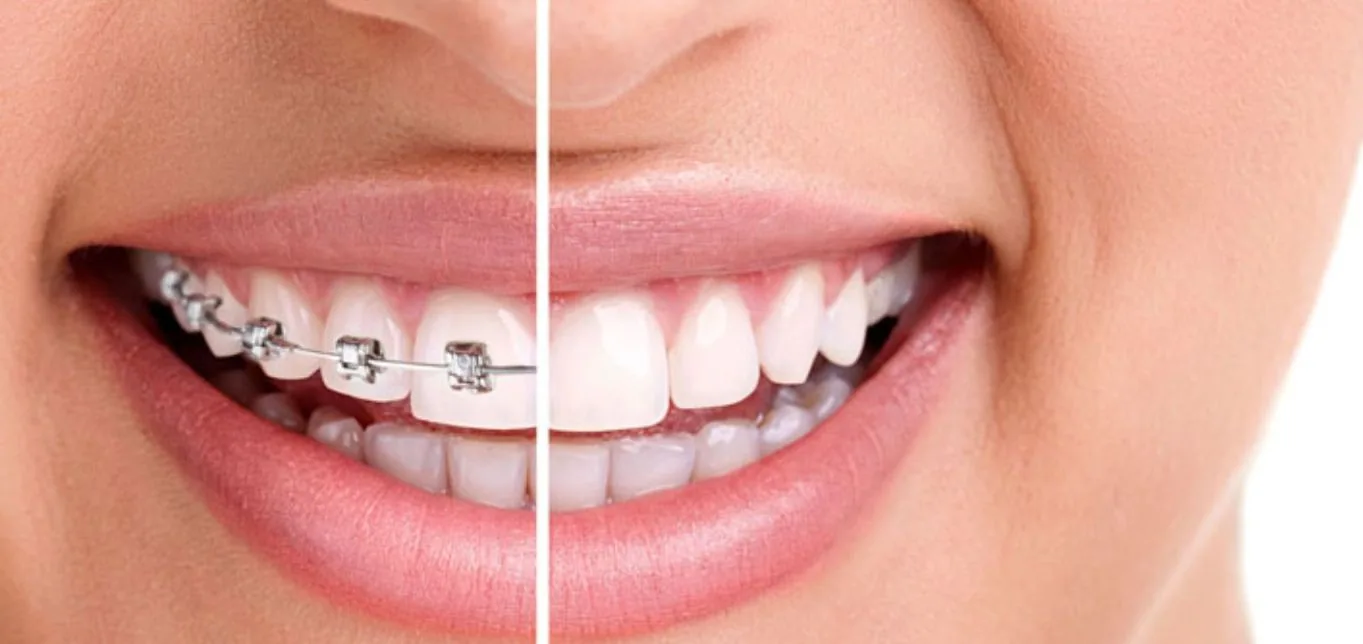
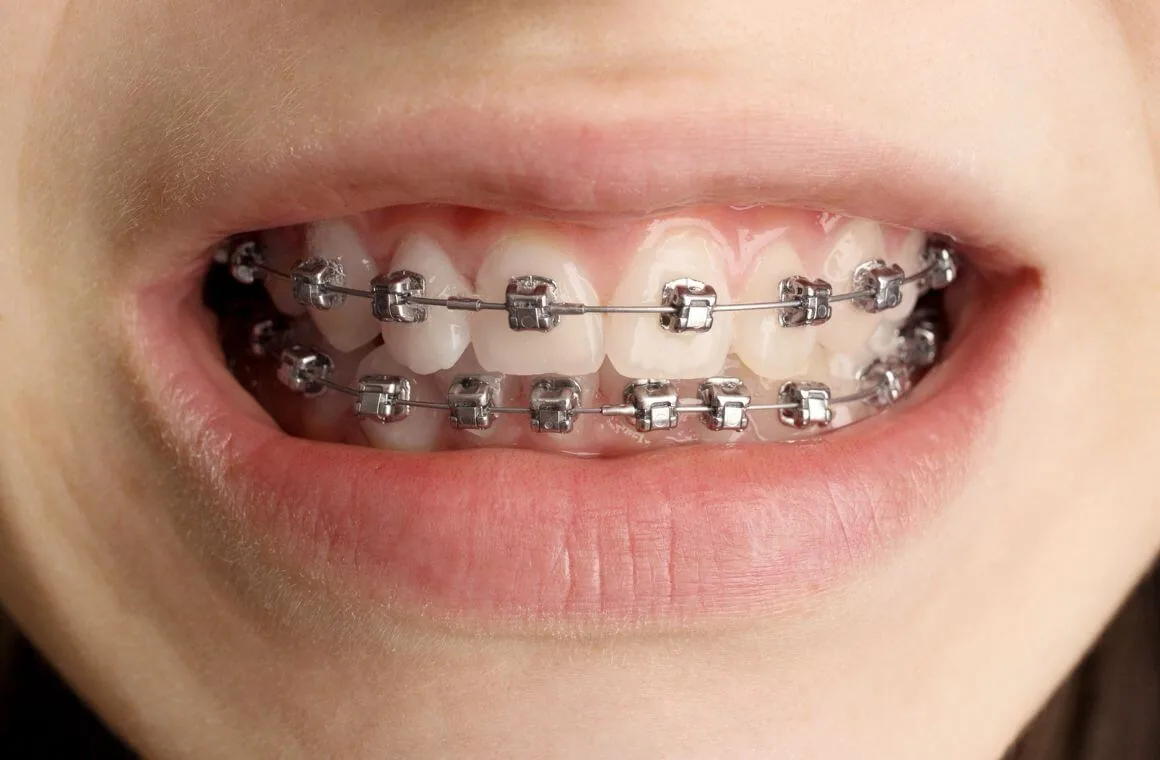
Damon Self-ligating braces share a similar appearance with standard metal braces but employ clips instead of rubber bands to fasten the wire. This reduces friction, making it simpler to maintain cleanliness for the braces and teeth. They match the effectiveness of traditional braces while offering improved precision in alignment. That said, they typically come with a higher price tag.
Advantages +
- The streamlined mechanism reduces discomfort during wear.
- Requires fewer appointments with the dentist.
- Offers a quicker treatment timeline.
Cons -
- May not be appropriate for every patient’s needs.
- Maintaining oral hygiene requires specialized tools.
- Lacks full transparency, potentially unappealing to those prioritizing aesthetics.
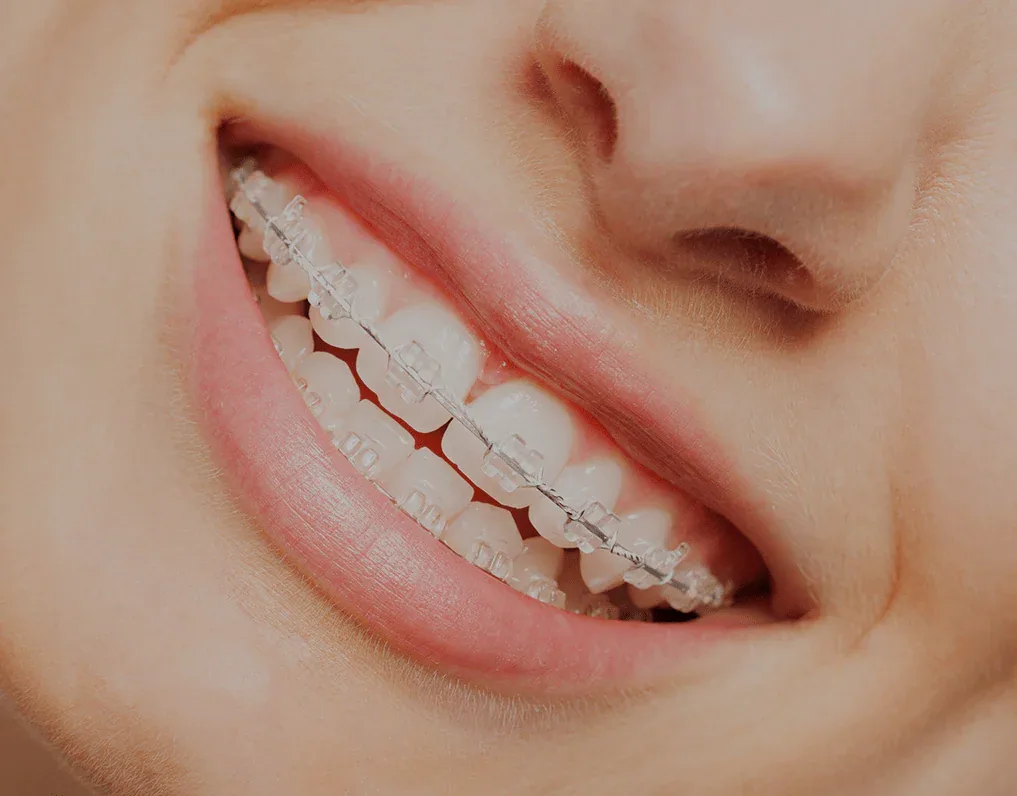
Ceramic Self-Ligating
Ceramic braces share a similar size and shape with their metal counterparts but are crafted from a material that matches the natural color of your teeth, rendering them far less noticeable. They are equally adept at aligning teeth into their intended positions.
Their subtle hue makes them a more discreet and appealing choice for many individuals. That said, they tend to come with a higher price tag and may stain if not diligently cared for.
Advantages +
- Blend with teeth color, less noticeable
- Just as effective as metal braces for alignment
- More discreet and appealing to many
Cons -
- Higher cost than metal braces
- Can discolor if not properly maintained
- Brackets are fragile and may break under pressure
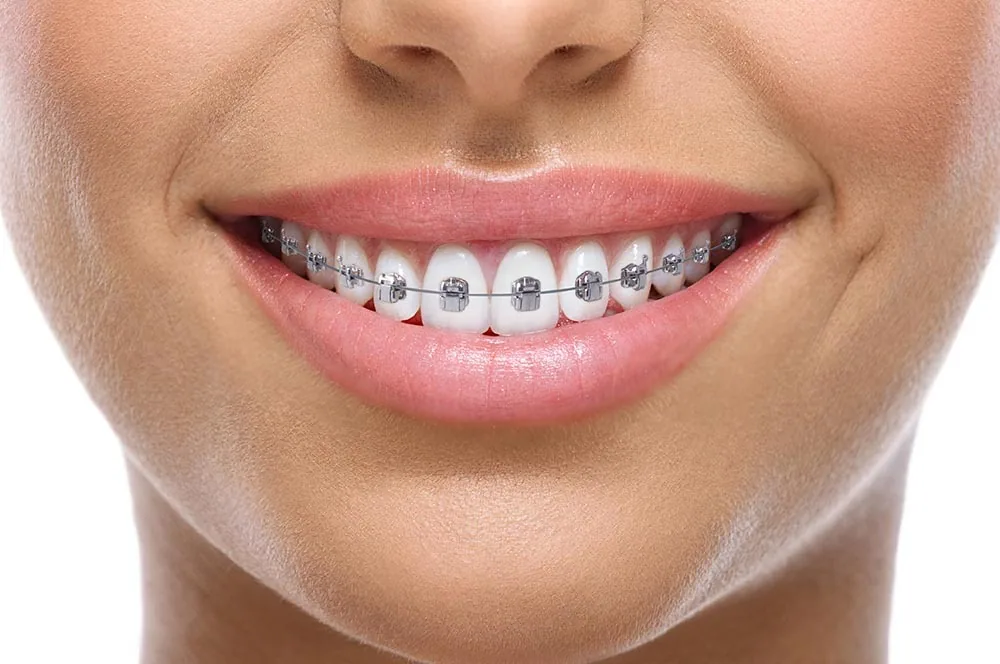
Genius Self-Ligating
Advanced orthodontic treatment designed to straighten teeth more comfortably and efficiently than traditional metal braces. Featuring self-ligating technology, these braces don’t require elastics, which reduces friction and allows for faster tooth movement. With smaller, more discreet brackets, Genius Braces offer a more comfortable experience while still being effective for complex cases. They also typically require fewer visits to the orthodontist for adjustments, making them a convenient option for many people looking to improve their smile.
Advantages +
- Self ligating technology
- Comfortable and efficient
- Effective for complex cases
Cons -
- Comfort Issues During Adjustment
- Oral Hygiene Challenges
- Treatment Duration Can Vary
- Discomfort with Speech
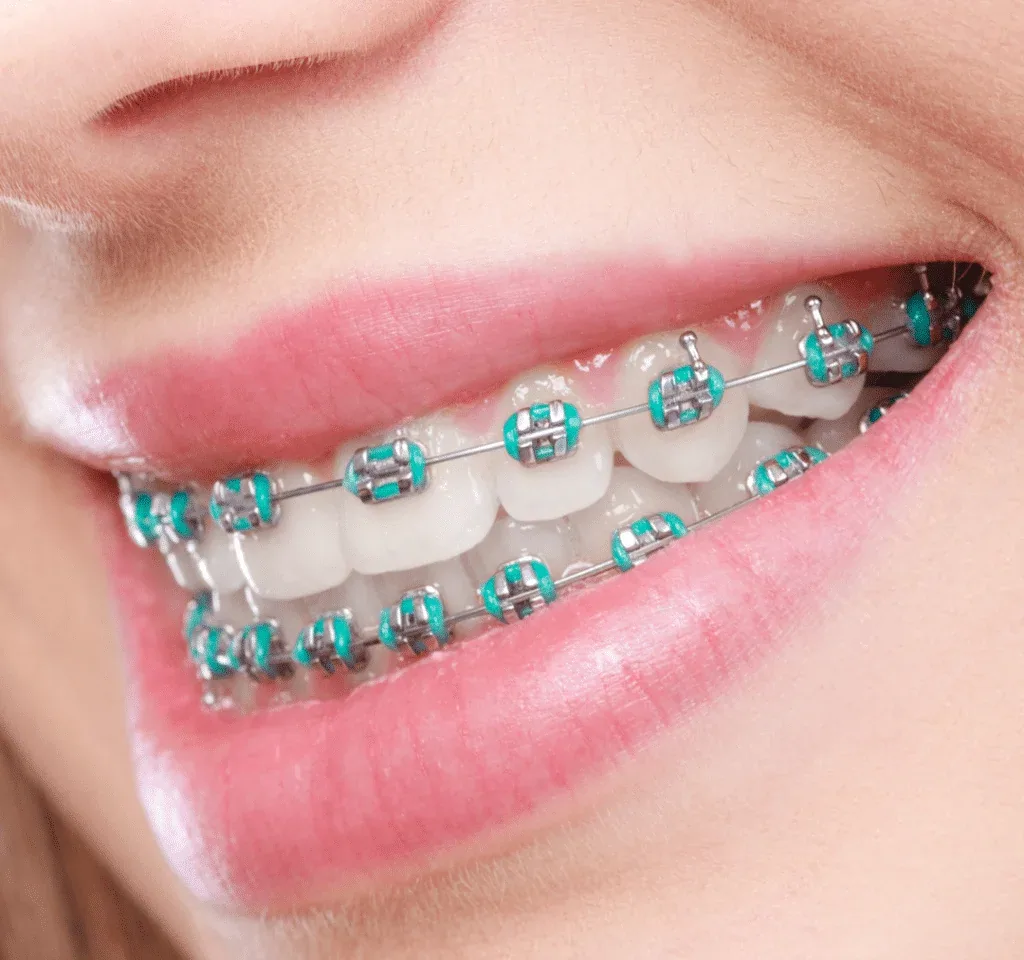
Conventional Braces
Traditional type of braces that have been used for decades to straighten teeth and correct bite issues. Conventional braces consist of metal brackets that are bonded to the teeth and connected by a metal wire. The wire is tightened periodically to gradually shift the teeth into their correct position.
Advantages +
- Effective for Complex Cases
- No Compliance Issues
- Cost-Effective
- Fixed in Place
Cons -
- Aesthetic Concerns
- Discomfort and Irritation
- Oral Hygiene Challenges
- Diet Restrictions
- Longer Treatment Time
Smile Journeys
Every smile has a story—and we're proud to be part of so many transformations. In this gallery, you'll see real patients who’ve undergone orthodontic treatments such as braces and aligners, each with their own unique journey toward a healthier, more confident smile.
From minor adjustments to complete smile makeovers, these results reflect our commitment to personalised care, attention to detail, and creating outcomes that not only look great but also improve long-term oral health.
Explore the before-and-after moments that make what we do so meaningful—and see what’s possible when science meets artistry in dentistry.
Common questions
Orthodontics — your questions answered
The things patients ask us most before starting treatment. If yours is not here, message us and a dentist will answer it.
Does having braces fitted hurt?
Fitting them does not hurt — there are no injections and nothing is drilled. The brackets are bonded to the teeth and the wire is threaded through, which takes about an hour. What you will feel is a dull ache and some tenderness when biting for three or four days afterwards, as the teeth start to move. Soft food and ordinary paracetamol are enough to see most patients through it.
What is the difference between conventional and self-ligating braces?
Conventional braces hold the wire in place with small elastic ties, which need changing at each visit and create some friction as the teeth move. Self-ligating braces such as Damon and Genius use a built-in clip instead of elastics, so the wire slides more freely: teeth tend to move with less force and less soreness, and appointments are usually shorter and less frequent. Both get to the same result — the choice is about comfort, visits and budget, which the dentist will talk you through.
How long will I have to wear braces?
Most cases take between 12 and 24 months. Mild crowding can finish sooner; correcting a bite or closing large gaps takes longer. The system you choose plays a part too, as self-ligating braces often shorten treatment a little. Your dentist gives you a realistic estimate at the consultation once they have seen your scan and X-rays, and reviews it at each adjustment.
How is the cost of braces structured?
You are given the full fee for the whole course of treatment at the consultation, so you know the total before anything is fitted. Braces are not paid for in one go — the fee is spread across the treatment, with a portion at fitting and the rest across your adjustment visits. We will set out exactly how that works for your case before you decide, and the total does not change once agreed.
See all frequently asked questions across every treatment we offer.